
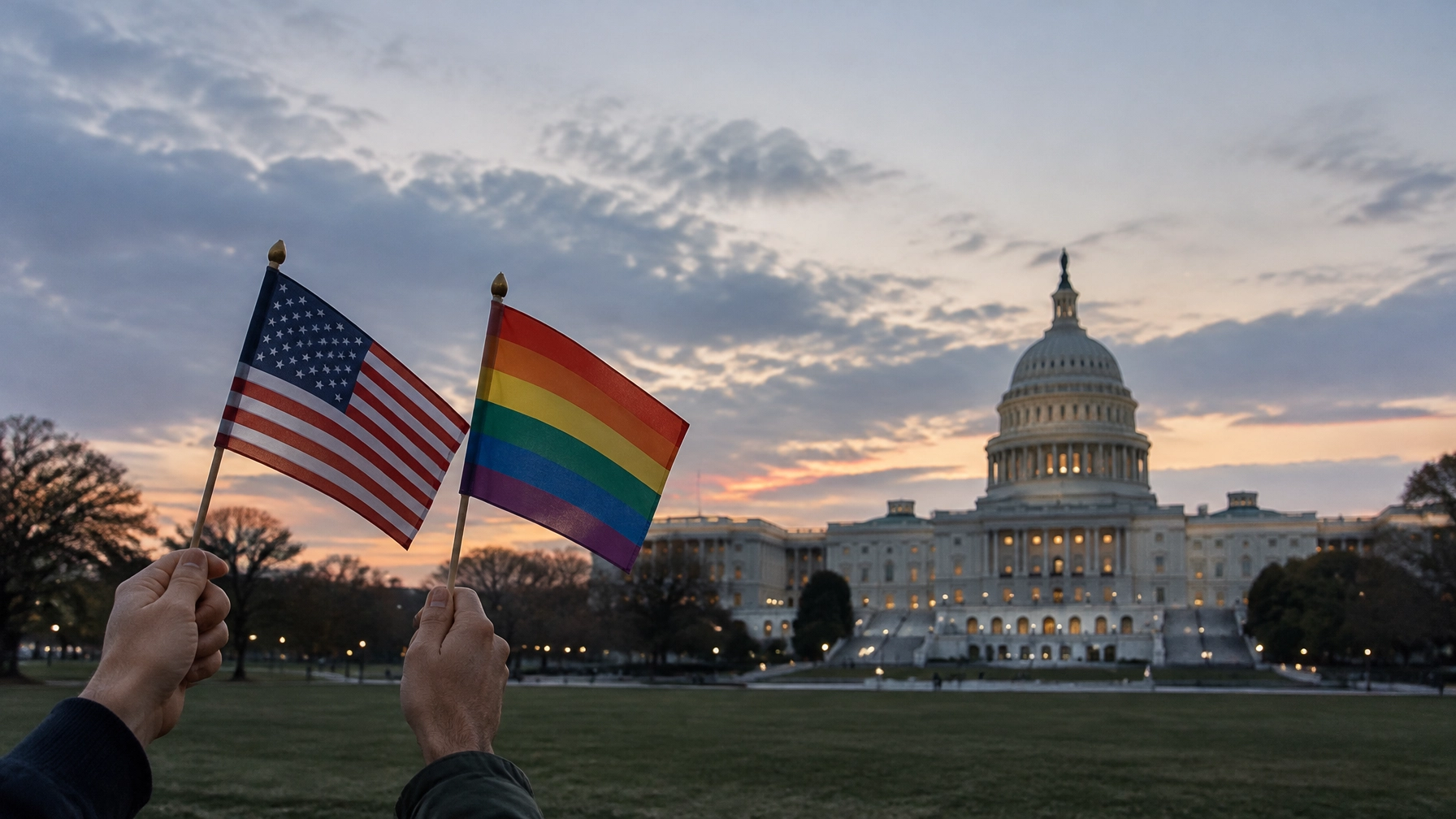
History served. But it didn’t bring a force field: Chris Pappas won New Hampshire’s Senate race, while voters in three states approved new restrictions on transgender students in sports. Both headlines are true. Neither cancels the other.
What actually happened
On November 3, Democrat Chris Pappas defeated Republican John E. Sununu in New Hampshire. He’ll succeed retiring Senator Jeanne Shaheen in January 2027, becoming the first openly gay man elected to the U.S. Senate. He isn’t the first openly LGBTQ person elected to the chamber: Tammy Baldwin made that history in 2012, and openly bisexual Kyrsten Sinema has also served. The Associated Press and The 19th reported on the win and its significance.
That’s a milestone for gay men. It’s also a Senate seat held by Democrats staying in Democratic hands, not a party pickup. The arithmetic matters: representation changes, but this race didn’t add a new seat to either party’s column.
In Virginia, voters approved Question 2, with about 57.5% voting yes, repealing the state’s defunct constitutional ban on same-sex marriage. The NBC News results page and Lambda Legal reported the result.
Missouri voters rejected the 2026 Amendment 3, which would have written restrictions on abortion and gender-transition care for minors into the state constitution. Meanwhile, Washington’s Initiative 638, Arizona’s Proposition 318 and Nebraska’s Initiative 442 passed, establishing or tightening restrictions on transgender students’ participation in school sports. The Associated Press and The 19th covered the results.
That’s the receipts. Now, what changes, and what doesn’t?
What it changes
A gay man will have a seat in the Senate. When Pappas takes office, gay men will see someone with a personal stake in our lives among the lawmakers shaping federal policy. That matters. It can change who gets heard, which questions get asked and what lawmakers see as urgent.
But one senator can’t guarantee a bill passes or make a court ruling disappear. Pappas’s win keeps the New Hampshire seat with Democrats; it doesn’t, by itself, settle every fight over federal power or protections. The vote is a door opening, not the whole building changing.
Virginia did the paperwork properly. Same-sex marriage was already legal there under the U.S. Supreme Court’s Obergefell v. Hodges decision. The old state constitutional ban had been unenforceable, but it remained on the books. Question 2 removes that obsolete language and replaces it with a constitutional guarantee. That’s not a newly won right to marry; it’s a meaningful step toward protecting marriage equality in Virginia’s own constitution.
Missouri voters blocked a permanent constitutional lock-in. Defeating Amendment 3 means the proposed restrictions weren’t added to the state constitution. But don’t mistake that for an immediate end to Missouri’s existing SAFE Act. Restrictions on puberty blockers and hormone therapy for minors are set to expire on August 28, 2027, unless lawmakers change the law. The ban on surgeries remains permanent. NPR and STLPR explain what the measure would have done and what its defeat leaves in place.
What it doesn’t change
A historic Senate win doesn’t stop states from restricting transgender students. Voters approved sports bans in Washington, Arizona and Nebraska, including Washington, a blue state. Arizona’s Proposition 318 also covers restrooms and locker rooms designated for students by sex assigned at birth. These aren’t abstract policy debates. They change the rules students and schools have to navigate.
And there’s no national law created by Pappas’s win that erases state restrictions. Federal protections, legislation and court decisions are separate fights. A senator can work on them, but representation alone isn’t a shield.
The contrast is the story: voters removed an obsolete marriage ban in Virginia and rejected a proposed constitutional ban in Missouri, while approving anti-trans sports measures elsewhere. Our rights don’t move in one neat direction. They depend on laws, courts and who turns out to vote.
What to watch next
Watch what happens when Pappas takes office in January 2027: which bills he supports, what questions he asks and how Senate leaders handle LGBTQ+ issues. In Missouri, watch the August 2027 sunset date, and whether lawmakers try to change the law before then. In Washington, Arizona and Nebraska, watch how the new rules are implemented and challenged.
Representation matters. So do durable laws and the people who keep showing up to defend them. Keep both in view, and keep the group chat informed.
Share this story with someone following the results.
Draft for Andrew’s approval, do not schedule or publish.